
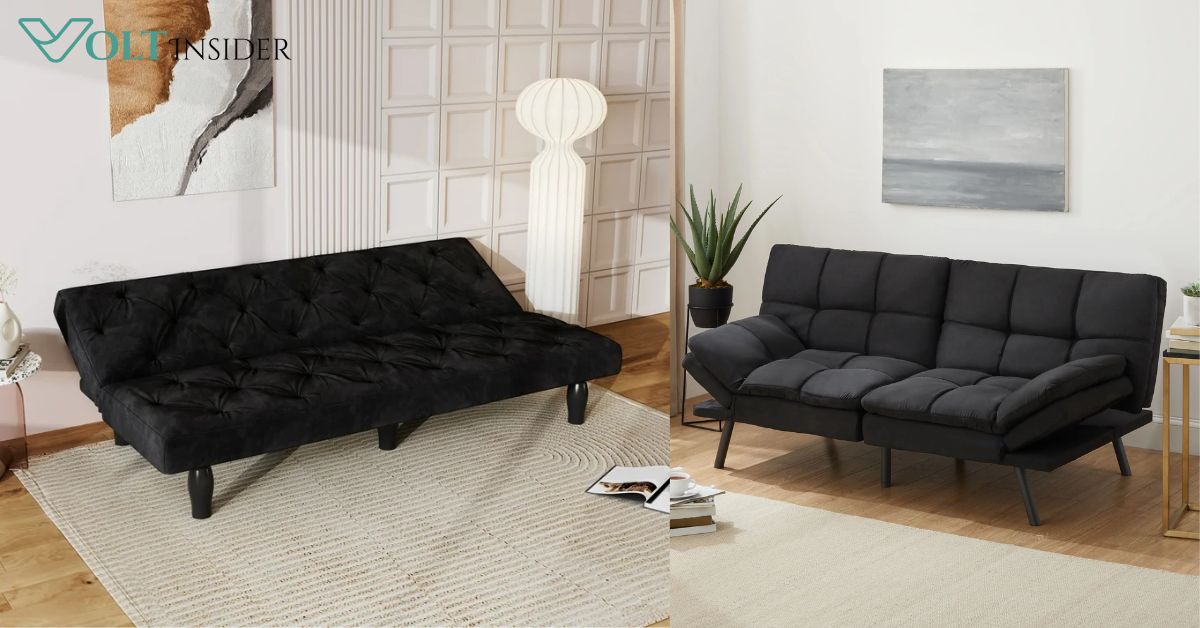
Why the Futon Couch Is a Must-Have in 2025
In 2025, the futon couch is no longer just a dorm room staple or a makeshift guest bed — it’s a smart, stylish, and space-saving essential for modern living. As urban apartments shrink in size and homeowners seek multifunctional furniture, the futon couch has evolved into a must-have item for anyone prioritizing comfort, flexibility, and design in a single piece of furniture.
Today’s futon couches come in a variety of materials, aesthetics, and technological upgrades. From memory foam cushions to USB charging ports, manufacturers have adapted futons to meet the dynamic needs of 2025 households. The rise of remote work and hybrid living spaces has further fueled this demand. A futon can serve as a daytime sofa for Zoom meetings and transform into a bed for overnight guests, offering a dual-purpose solution in homes where every square foot counts.
Top Features to Look for in a Modern Futon Couch
Comfortable & Supportive Mattress (Memory or Gel-Infused Foam)
A standout feature in 2025’s futon couches is the adoption of memory foam or gel-infused foam mattresses, which strike a remarkable balance between comfort, support, and space efficiency. These materials are flexible enough to fold easily yet firm enough to prevent sagging — making them ideal for both sitting and sleeping. Industry experts highlight that a plush, multilayer foam mattress ensures shoulder and spine alignment, offering comfort comparable to conventional beds even in compact designs .
Additionally, gel-infused foams enhance temperature control by dispersing heat during long use, while latex alternatives give faster rebound and firmer support — perfect for everyday use .
Versatile Frame Design & Conversion Mechanism
Modern futon couches come with user-friendly click-clack mechanisms or split-back recliners, enabling effortless transformation from sofa to bed in a few moments. These innovative designs often support multiple sitting angles, accommodating gaming, lounging, or napping modes.
Frame materials now go beyond traditional metal or wood: engineered wood and powder-coated metal frames strike a sweet spot between durability and lightness, ideal for small apartments or frequent movers.
Best Futon Couch Picks for 2025: Style Meets Function
When selecting a futon couch in 2025, both performance and aesthetics matter. These standout options combine sleek design, smart features, and reliable comfort—all essential for today’s multipurpose living spaces.
Monroe Futon (Living Spaces’ Designer Choice)
Why it stands out:
- Combines style and function with a chaise that doubles as storage—perfect for hiding bedding or pillows
- Designer Courtney Marquez calls it “highly comfortable” and “perfect blend of style and functionality”.
Specs:
- Dimensions: 64.2″ W × 36.2″ D × 35″ H
- Upholstery: Durable fabric
- Bonus feature: Storage-in-chaise design
Dante Sectional Futon (Living Spaces’ Premium Pick)
Why it stands out:
- Offers L-shaped seating ideal for lounging and napping
- Includes storage chaise and adjustable headrests—stylish yet functional
Specs:
- Size: 103.2″ W × 86″ D × 32.3″ H
- Upholstery: Polyester chenille blend
Cliff Gray Futon (Budget-Friendly Quality)
Why it stands out:
- Made with kiln-dried hardwood frame for enhanced durability
- Available in Queen, Full, and Twin—versatile and space-efficient
Specs:
- Dimensions: 64.2″ W × 36.2″ D × 35″ H
- Mechanism: Streamlined sleeper conversion
CosmoLiving Liberty Sectional Futon (The Spruce’s Top Pick)
Why it stands out:
- Combines sofa, chaise, storage, and sleeper in one—ideal for small spaces
- Constructed with solid wood and available in chic velvet or chenille
Specs:
- Size: 84″ W × 60.5″ D × 32.5″ H
- Sleeper: Twin size
DHP Emily Futon (Most Popular & Affordable)
Why it stands out:
- Tops Amazon reviews thanks to modern look, affordability, and quality
- Ideal balance of price and comfort—90% user satisfaction in multiple categories
Specs:
- Choices of colors: Gray, black, vanilla, navy
- Styles: Convertible options include bench, chair, or chaise
Comparison Table: Quick Look
| Model | Highlights | Votes | Approx. Price |
|---|---|---|---|
| Monroe | Storage chaise, designer-approved | — | Mid‑range |
| Dante | Sectional style, adjustable comfort | — | High‑end |
| Cliff Gray | Hardwood frame, value-focused | — | Budget |
| CosmoLiving Liberty | Modular, multi‑function, perfect for small rooms | — | Mid‑range |
| DHP Emily | Affordable bestseller, versatile options | — | Budget |
These selections represent the best in 2025’s futon couch market—each offering unique features catering to different lifestyles. Whether you need storage, sectional lounging, conversion ease, or budget value, there’s a futon that aligns with modern style and function.
Design Tips: How to Style Your Futon Couch for Any Space
Styling a futon couch so it enhances both comfort and visual appeal is an art—and a practical one for 2025’s multifunctional homes. Here are expert-backed ideas to transform your futon from merely functional into a stylish centerpiece.
Choose the Right Cover & Textures
Updating your futon starts with the cover. Opt for washable, durable fabrics like cotton, microfiber, or velvet‑blend, especially in pet‑ or kid‑friendly homes. Neutral tones (e.g., gray, beige, navy) offer versatility, while patterned covers add visual interest in minimalist spaces.
Layering cushions and throws in contrasting textures—chunky knit, faux fur, or boucle—injects warmth and sophistication. Designers emphasise layering textures to make multifunctional furniture feel intentional, not makeshift.
Use Toppers and Slim Accessories
Rather than bulky reupholstery, sofa toppers offer a quick refresh: slip a patterned or colored fabric over your futon seat for added comfort and style without commitment . They’re ideal on futons where washing or switching looks matters.
Add slim side tables or floating shelves nearby for practical flair—perfect for lamps, books, or a coffee setup. These minimal additions help define zones and support both work and relaxation uses.
Optimize Placement & Spatial Flow
Position your futon against a long wall to maximize floor space and avoid cluttering pathways . In studio or open-concept layouts, use the futon as a room divider; place the back toward a workspace or dining area—this cleverly defines zones while keeping things open .
Mirrors opposite or adjacent to the futon reflect light, visually expanding the room—a proven trick for small living areas.
Embrace Multifunctionality and Cohesion
Amplify your futon’s dual function with built-in storage ottomans, under-seat drawers, or a chaise with hidden compartments. These elements keep essentials like throws or bedding within reach while maintaining a tidy look.
For cohesive interiors, match the futon’s tone with surrounding furnishings—coffee tables, rugs, and art—in neutral or earth-tone palettes. Earth tones are trending in 2025 and provide a calming backdrop that makes multipurpose items feel unified.
Is a Futon Couch Right for You? Pros, Cons & Real-Life Insights
Choosing a futon couch means balancing space, comfort, and style. While it’s a great fit for many lifestyles, it’s not perfect for everyone. Let’s explore the advantages, drawbacks, and when it truly shines — while keeping things grounded in real-world sources.
Pros of a Futon Couch
- Budget-friendly multi-functionality
Futons are generally more affordable than sofa beds or full sofas. They offer both seating and sleeping without breaking the bank, making them a great option for budget-conscious shoppers.
- Space-saving and lightweight
- Their simple folding frames make futons easier to move and ideal for compact homes. Apartment dwellers or renters can convert a single piece of furniture from couch to bed with ease.
- Versatile design options
- Futons are available in countless styles — from minimalist Japanese floor models (shikibutons) to modern upholstered versions — making them adaptable to any décor.
Source: Livingspaces / Thespruce
Cons of a Futon Couch
- Less comfort for nightly sleep use
- Many futons use thinner mattresses than dedicated sofa beds, which can cause discomfort over time — particularly with frequent use — and might contribute to back or neck pain.
- Durability concerns
- The simpler construction and thinner cushioning can wear out faster than sturdier alternatives. Heavy use may lead to sagging, and occasional mattress replacements may be required.
- Aesthetic limitations
- While modern futons look better than ever, some models may still carry a “budget furniture” vibe. They may not fit every aesthetic, especially in upscale or formal living spaces.
Conclusion
A futon couch is an excellent choice for anyone seeking affordable, space-saving, and stylish flexibility—especially in 2025’s era of hybrid home-office living. Just be realistic about comfort expectations and longevity, and consider upgrading the mattress or adding a topper if needed.
FAQs
- Is a futon couch comfortable to sleep on every night?
- While suitable for occasional sleeping, most futons lack the plushness of traditional mattresses. Opting for memory-foam models or adding a topper can enhance nightly comfort.
- How long does a futon couch typically last?
- Quality futons can last 5–10 years, but thinner mattresses and simpler frames may wear out faster, especially with daily use.
- What’s the difference between a futon couch and a sleeper sofa?
- Futons are generally lighter, more affordable, and simpler in design. In contrast, sleeper sofas are heavier, more comfortable with thicker mattresses, but also pricier.
- Can I use a futon for a home office guest bed?
- Absolutely. Futons are ideal for home offices or dual-use rooms. They serve as comfortable seating by day and a guest bed by night — a smart choice for flexible living.